Britain on the Brink of a Political Earthquake: Local Elections, Reform’s Surge, and a Government Under Siege
Summary
The United Kingdom is days away from one of the most consequential local election cycles in modern British political history, with votes scheduled for Thursday, May 7, 2026, across 136 English councils, all 32 London boroughs, the Scottish Parliament, and the Senedd in Wales. Polling unanimously projects a catastrophic night for the Labour government with the party forecast to lose up to 1,900 council seats while Nigel Farage’s Reform UK is on course for historic gains that could see it take control of county councils in Essex, Norfolk, and Suffolk and emerge as the dominant force across much of England. Today Monday May 4 is the UK’s Early May Bank Holiday, with millions enjoying a long weekend ahead of what promises to be a politically defining week.
Britain is enjoying a bank holiday today, but the calm of a May long weekend is masking one of the most politically charged weeks the country has seen since the 2024 general election. Monday May 4 is the Early May Bank Holiday observed on the first Monday of May giving most workers across England, Wales, and Northern Ireland a long weekend associated with May Day celebrations, local fairs, and community festivals welcoming the arrival of spring. But what follows the holiday will be anything but relaxing for the country’s political establishment.
On Thursday May 7, local elections will take place across England, with devolved elections to the Scottish Parliament and the Senedd in Wales also scheduled on the same day. Ward level projections cover 136 English councils, with 60 councils projected to change control a scale of political disruption that would be unprecedented in recent British local government history.
The polls tell a story that is as brutal for the governing Labour Party as it is dramatic for the country’s political landscape. Polling expert Professor Stephen Fisher of Oxford University forecasts Labour losing 1,900 councillors a new low for the party while other pollsters put losses closer to 1,500, which would still be a catastrophic result for the government. Reform UK is projected to gain over 1,300 seats from a base of just three, translating into projected control of several councils. Sunderland is forecast to flip comfortably from Labour to Reform, with Thurrock, Wakefield, and Barnsley projected to follow a similar path. Nigel Farage’s party is also projected to take several councils from Conservative control, including Essex, Norfolk, and Suffolk.
YouGov’s MRP model projects Reform UK winning the highest vote share in 11 of 13 West Midlands councils a region where Labour topped the poll in nine of those same councils at the last comparable elections. The Green Party is also forecast to enjoy strong results, with projections seeing them gain 555 seats. The Greens are expected to do well in London and could take outright control of Hackney.
The Conservatives face another bruising defeat projected to lose 907 councillors from a base of 1,362, a drop of two thirds squeezed simultaneously by Reform in Leave voting areas and the Liberal Democrats in the south. The party has also referred Nigel Farage to the parliamentary standards watchdog for failing to declare a £5 million donation from businessman Christopher Harborne, intended for personal security.
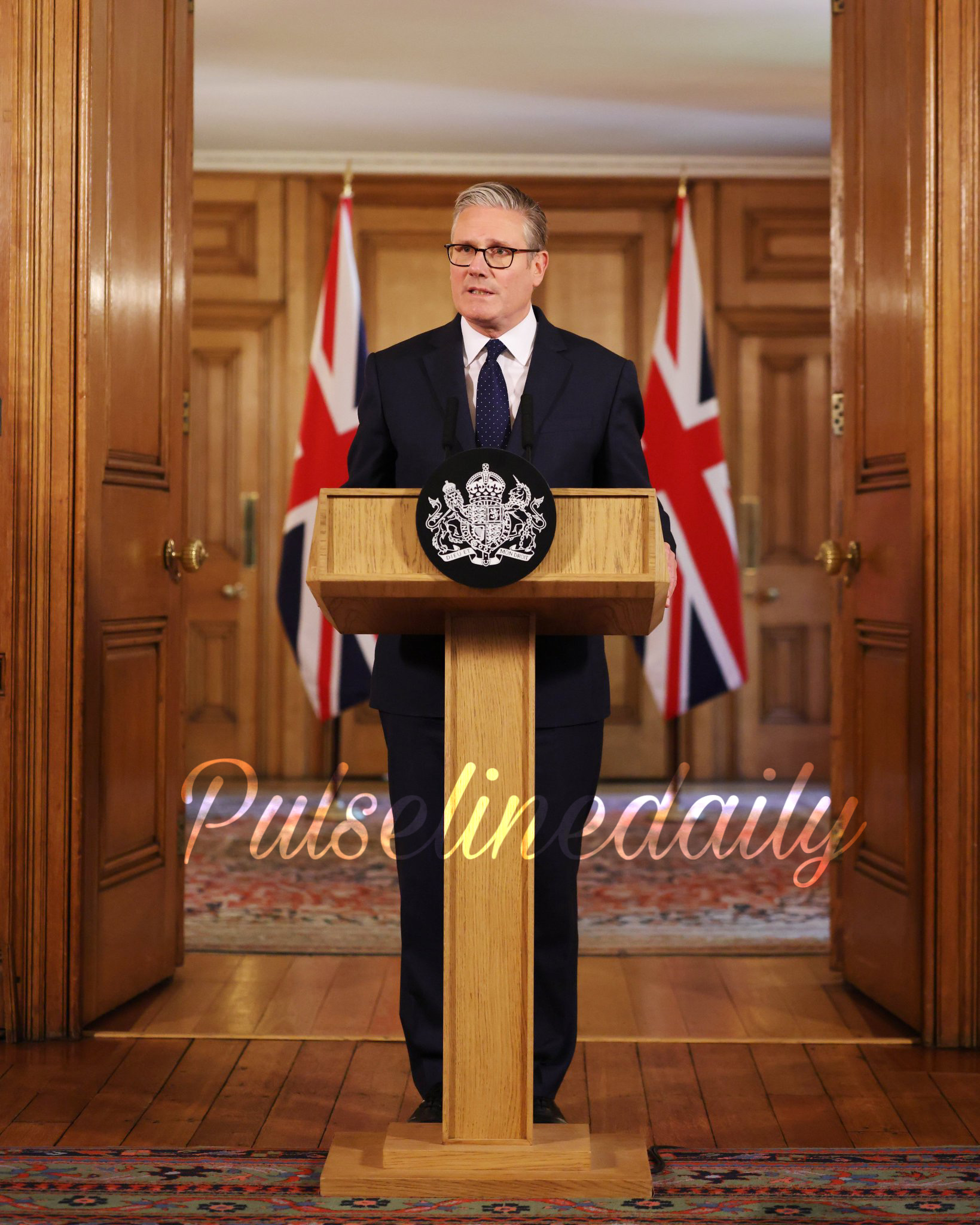
The political backdrop intensifying this electoral pressure is severe for Keir Starmer’s government. The elections are taking place amid Labour unpopularity linked to the Peter Mandelson and Jeffrey Epstein scandal, with Reform UK and the Greens rising sharply in opinion polls. Parliament prorogued this week after a session defined by the Mandelson controversy, MPs voting to block a Privileges Committee referral of the Prime Minister, and a persistent PMQs narrative in which Starmer has appeared more reactive than commanding.
Scotland and Wales add further complexity. The new, more proportional Senedd electoral system makes a majority government unlikely in Wales, with most analysts expecting coalition negotiations to follow, and two loose blocs possible a broadly left grouping of Plaid, Labour, the Greens and the Lib Dems, or a broadly right grouping of Reform and the Welsh Conservatives.
Analysis
What Thursday’s elections will settle is not who governs Britain that remains Starmer’s Labour, with a parliamentary majority that local election results cannot touch. What they will settle is something arguably more consequential in the medium term: whether the political earthquake that began in 2024 has become a permanent realignment or whether it remains a protest cycle that a recovering government can ride out. The insurgencies take different forms Reform drawing on cost of living frustration and anti-immigration sentiment; the Greens capitalising on progressive disillusionment with Labour but all are being fed by a similar dissatisfaction with stagnant living standards and a growing sense that the existing political system has not delivered. That convergent disillusionment is what makes this election so dangerous for both Labour and the Conservatives simultaneously. They are not losing to each other. They are both losing to challengers who, until recently, barely existed at council level. For Starmer, the challenge after Thursday is one of political credibility. A government that wins a landslide in 2024 and then loses control of Labour heartlands like Sunderland and Barnsley to a party that had three councillors a year ago faces a fundamental question about whether its reform programme is connecting with the people it was elected to serve. The answer, in the polling, is clearly not yet. Whether May 7 becomes the moment that forces a genuine reset or merely another data point in a trajectory the government cannot alter is the question British politics will be answering for months to come.
Tags