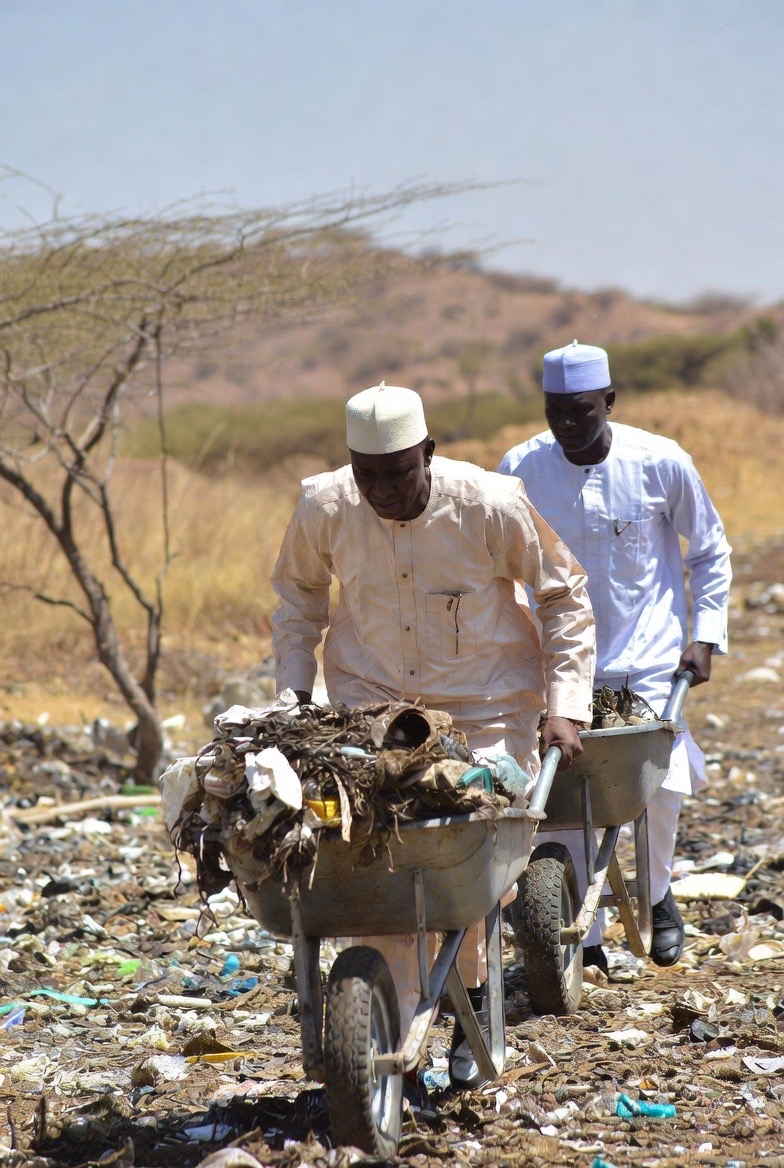
Yobe Pushes Waste Management Reforms
Summary
Yobe State is implementing major waste management reforms focused on improved collection, recycling, and public awareness to enhance environmental sustainability and public health.
The Yobe State government has launched a comprehensive initiative aimed at overhauling waste management systems across the state, marking a significant step toward environmental sustainability and public health improvement.
The reform program, spearheaded by the Ministry of Environment in collaboration with development partners, seeks to address longstanding challenges in waste collection, disposal, and recycling. Rapid urbanization and population growth have placed increasing pressure on existing infrastructure, necessitating a more structured and efficient approach.
At the core of the initiative is the introduction of modern waste management practices, including improved collection systems, designated disposal sites, and public awareness campaigns. Authorities aim to transition from informal and often inefficient methods to a more organized framework that aligns with global best practices.
One of the key components of the reform is community engagement. The government has emphasized the importance of public participation in ensuring the success of the program. Residents are being encouraged to adopt proper waste disposal habits and to support recycling efforts.
Additionally, the initiative includes plans to establish recycling facilities, which will not only reduce environmental pollution but also create economic opportunities. By turning waste into reusable materials, the state hopes to generate employment and stimulate local industries.
Officials have highlighted the health benefits of improved waste management. Poor sanitation has long been linked to the spread of diseases, particularly in densely populated areas. By enhancing waste handling systems, the government aims to reduce health risks and improve overall quality of life.
The reform also involves strengthening regulatory frameworks. New policies are being introduced to ensure compliance with environmental standards, with penalties for violations. Authorities believe that enforcement will be crucial in sustaining the progress achieved.
Challenges remain, particularly in terms of funding and infrastructure development. However, the government has expressed confidence that partnerships with private sector stakeholders and international organizations will help bridge these gaps.
Environmental experts have praised the initiative, noting that it reflects a growing recognition of the importance of sustainability at the state level. Effective waste management is not only an environmental issue but also a critical factor in economic development and urban planning.
The success of the program will depend largely on consistent implementation and monitoring. Authorities have indicated that they will track progress and make adjustments as needed to ensure long-term effectiveness.
As Yobe moves forward with these reforms, it sets an example for other states facing similar challenges. The initiative demonstrates that with the right policies and commitment, it is possible to transform waste management systems and create cleaner, healthier communities.
Analysis
This initiative is both environmental and economic. If executed properly, it can reduce disease, create jobs, and modernize urban management. The main risk lies in implementation without consistent enforcement and funding, such reforms often lose momentum.
Tags