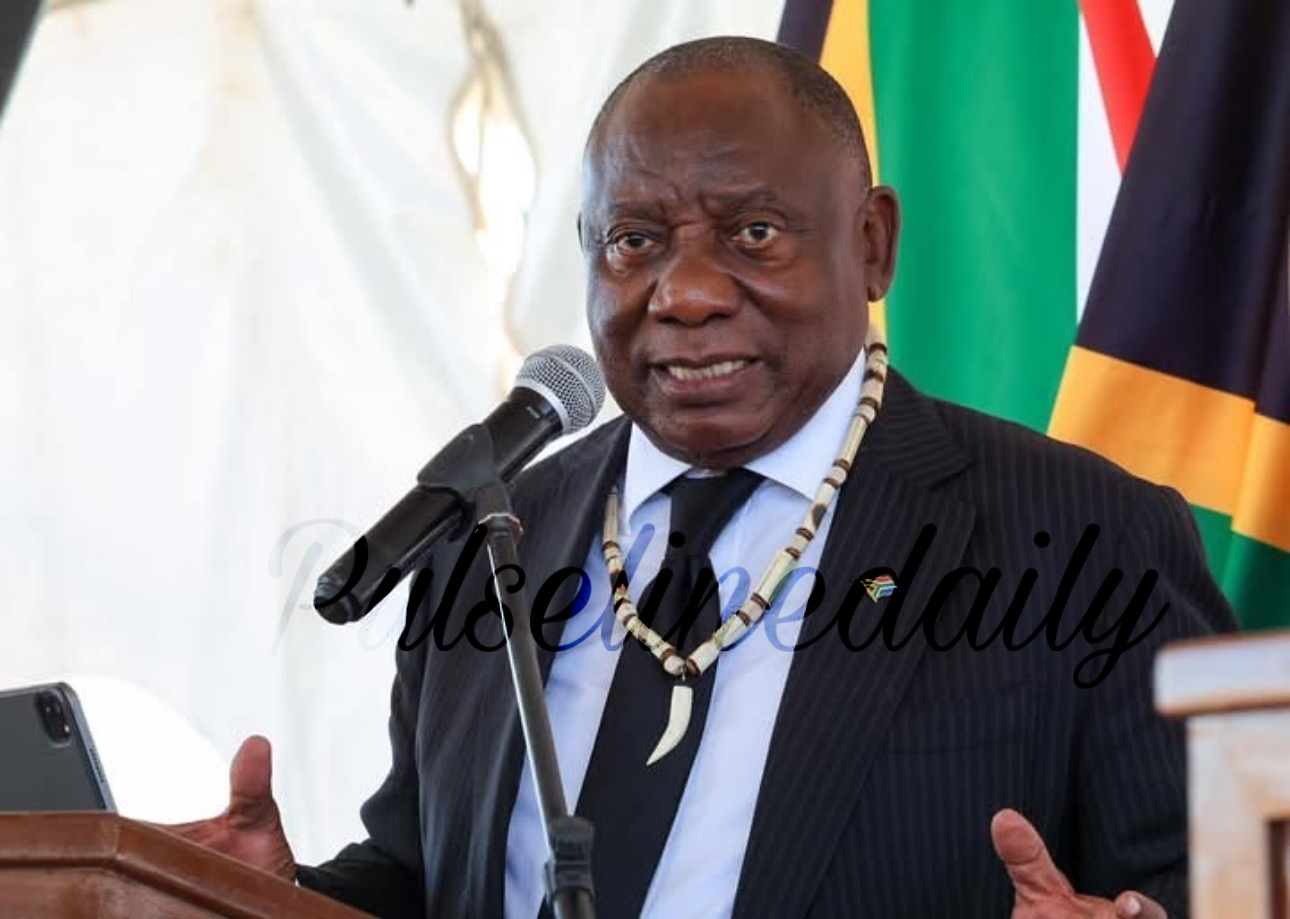
“We Attend by Rumour” — Ramaphosa Hits Out at South Africa’s G20 Exclusion
Summary
South African President Cyril Ramaphosa has publicly stated that his country now follows G20 proceedings “by rumour,” after being excluded from the forum by the United States, which currently holds the G20 presidency. Speaking at the Public Global Inequality Dialogue on Friday, Ramaphosa addressed the diplomatic snub with a mix of humour and barely concealed frustration, as tensions between Pretoria and Washington continue to simmer.
President Cyril Ramaphosa delivered one of the more striking lines in recent South African diplomatic history on Friday not with anger, but with a wry smile.
Speaking at the Public Global Inequality Dialogue, Ramaphosa reflected on South Africa’s exclusion from G20 proceedings, saying: “As you well know, we now, as South Africa, attend the G20 meetings just by rumour, having been completely excluded.” The remark was delivered partly in a humorous tone, accompanied by an anecdote about a student who attended lectures from outside a classroom.
The comment, however, points to a very real and ongoing diplomatic dispute. US President Donald Trump announced that South Africa would not be receiving an invitation to the 2026 G20 summit in Miami, Florida, citing what he described as South Africa’s refusal to hand the G20 presidency gavel to a senior US Embassy representative at the closing ceremony of the Johannesburg summit.
South Africa disputes that account. The South African Presidency stated that instruments of the G20 presidency were duly handed over to a US Embassy official at the headquarters of South Africa’s Department of International Relations and Cooperation.
The broader backdrop to the fallout involves longstanding tensions over domestic South African policy. Trump repeated allegations widely discredited that South Africa’s Black-majority government persecutes its white minority, claims Ramaphosa has consistently and firmly rejected.
South Africa has made its position clear. Ramaphosa’s office described Trump’s measures as “regrettable,” saying the US president “continues to apply punitive measures against South Africa based on misinformation and distortions about our country.” International Relations Minister Ronald Lamola said South Africa would not show up at the Miami summit without an invite, but rejected calls for a retaliatory boycott, arguing that engagement rather than isolation remains the best path forward.
South Africa has not been entirely without allies on this matter. Brazilian President Luiz Inácio Lula da Silva publicly criticised the exclusion and defended South Africa’s participation in the G20 grouping.
Analysis
There is something quietly powerful about the way Ramaphosa chose to address this situation with humour rather than outrage. Describing his country’s relationship with the world’s premier economic forum as one conducted “by rumour” is a pointed line, and it landed. But behind the wit lies a genuinely serious diplomatic crisis that carries implications well beyond South Africa’s borders. What Trump has done or attempted to do is unprecedented. The G20 is not a club where the host nation gets to choose the guest list based on bilateral grievances. South Africa’s Department of International Relations noted that excluding a founding member undermines the very legitimacy of the G20 itself, warning that any unilateral departure from its established composition would set a destabilising precedent for every nation present. That argument is legally and institutionally sound, and it has resonated with other G20 members who are watching this situation carefully. The irony is not lost on observers that the US a country that built much of its post-war global influence on the institutions of multilateralism is now the actor most aggressively undermining those same institutions. Whether it is the G20, trade agreements, or international legal frameworks, the pattern under the current administration has been consistent: use institutional leverage as a bilateral pressure tool rather than respecting collective governance norms. For South Africa, the immediate practical question is what comes next. The country has signalled it will not beg for an invitation, and that it intends to engage constructively when the UK takes over the G20 presidency. That is a dignified position. But being sidelined from the world’s most important economic forum even temporarily carries real costs in terms of influence, visibility, and the ability to advocate for the Global South at a moment when those voices are needed most.
Tags