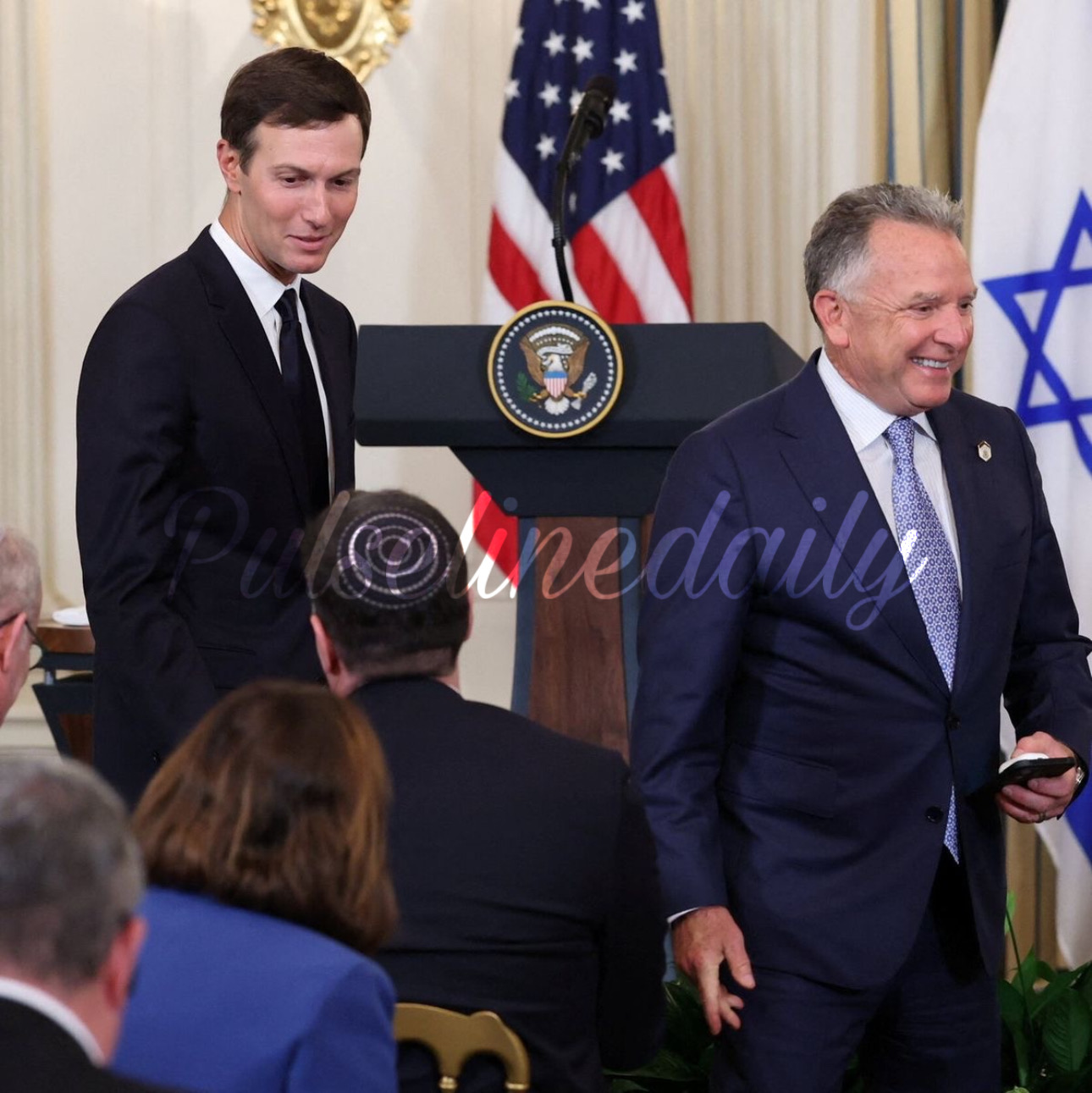
US Envoys Witkoff and Kushner Head to Pakistan for Fresh Iran War Talks
Summary
President Donald Trump has dispatched special envoy Steve Witkoff and senior adviser Jared Kushner to Pakistan for a new round of talks aimed at resolving the ongoing Iran war. The White House confirmed the trip on Friday, April 24, with talks with Iranian Foreign Minister Abbas Araghchi expected on Saturday. The development comes as a fragile ceasefire between the US and Iran remains in place and as much of the world watches anxiously for signs of a lasting deal.
The diplomatic push to end the 2026 Iran war entered a new chapter on Friday as the White House confirmed it was sending two of its most trusted negotiators back to Islamabad.
President Trump is sending his envoys Steve Witkoff and Jared Kushner to Pakistan, the White House confirmed Friday, just hours after Iran’s top diplomat headed to the South Asian nation where officials have been trying to get the United States and Iran to convene for a second round of ceasefire negotiations.
White House press secretary Karoline Leavitt confirmed in an interview on Fox News that the two will have talks with Iranian Foreign Minister Abbas Araghchi on Saturday.
Vice President JD Vance is not currently planning to attend, given that Iran’s Speaker of Parliament Mohammad-Bagher Ghalibaf viewed internally by White House officials as Vance’s counterpart and the head of the Iranian delegation is also not participating. However, Vance will remain on standby to travel to Islamabad if talks progress, with members of his staff set to be present at the negotiations.
This is not the first time Islamabad has served as the setting for these high-stakes discussions. An earlier round of talks held on April 11 and 12 lasted 21 hours across three rounds beginning with indirect discussions before moving to direct engagement but concluded without a deal.
A ceasefire framework agreed on April 8 called for an immediate halt to hostilities, the reopening of the Strait of Hormuz, and a negotiating period between Iran and the US. Since its declaration, the ceasefire has reportedly been violated by both sides.
The trip comes as much of the world remains on edge over a war that has snarled crucial energy exports through the Strait of Hormuz, clouded the global economic picture, and left thousands dead across the Middle East.
Iran had not publicly confirmed its participation in this latest round of talks at the time of writing. Earlier on Friday, a US source and Iranian state media reported that a delegation from Tehran was expected to hold talks with Pakistani mediators but not with US representatives directly.
Analysis
The decision to send Witkoff and Kushner back to Islamabad without Vice President Vance this time is a carefully calibrated move. It signals that Washington is still willing to talk, but is also managing expectations carefully. Vance’s absence, matched by Iran’s Ghalibaf staying home, suggests both sides are keeping their most senior figures in reserve pending real progress. That is classic diplomatic positioning leaving room to escalate the level of engagement if and when a breakthrough becomes possible. The broader context is deeply concerning for global stability. The Strait of Hormuz one of the world’s most critical energy chokepoints has remained disrupted throughout this conflict, with consequences felt far beyond the Middle East. Energy markets, food supply chains, and global economic confidence have all been affected, placing enormous pressure on both sides to reach some form of agreement before the human and economic costs become irreversible. Pakistan’s role as mediator deserves recognition. Islamabad has quietly positioned itself as the indispensable bridge between Washington and Tehran a role that carries significant diplomatic risk but also considerable strategic reward. That both sides continue to use Pakistan as their meeting ground speaks to the trust the Pakistani government has built with both delegations. For Trump, who told reporters “Don’t rush me” when asked about a timeline for resolution, the pressure is nevertheless mounting. The ceasefire, already extended once, is holding by a thread. The coming days of talks in Islamabad may well determine whether this conflict moves toward resolution or toward a dangerous new escalation.
Tags