Tinubu Orders Probe into Fake Presidential Council
Summary
President Bola Ahmed Tinubu has directed the Independent Corrupt Practices and Other Related Offences Commission to investigate a fictitious "Presidential Foreign Intervention Promotion Council". The probe aims to uncover the extent of the fraud and prevent similar abuses. This move signals the administration's commitment to tackling corruption and protecting the integrity of government institutions.
Tinubu Orders Probe into Fake Presidential Council
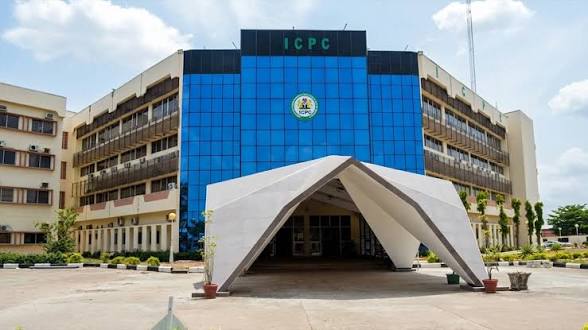
President Bola Ahmed Tinubu has taken decisive action against a fictitious "Presidential Foreign Intervention Promotion Council" (PFIPC) by directing the Independent Corrupt Practices and Other Related Offences Commission (ICPC) to conduct a thorough investigation. The discovery of this fake council, which was never established by the Federal Government of Nigeria, has significant implications for the country's governance and institutional integrity. The President's prompt response demonstrates his administration's commitment to tackling corruption and protecting the legitimacy of government institutions.
What Was Announced
The ICPC has been tasked with investigating the activities of the PFIPC, including the use of forged appointment letters and other official government documents. The probe will also examine the role of one Adeniyi Adeyemi Matthew, who presented himself as the Director-General of the fake council, and any other individuals or entities involved in the scheme. The President has directed the ICPC to submit a comprehensive report within 30 days, which will include recommendations to prevent similar abuses in the future.
What This Means for Nigerians
The investigation into the PFIPC has important implications for Nigerians, as it highlights the risks of corruption and impersonation in government institutions. The fact that a fictitious council was able to acquire an appearance of official legitimacy raises concerns about the vulnerability of the system to abuse. The President's action demonstrates his administration's commitment to addressing these issues and ensuring that government institutions are protected against corruption and exploitation.
Context and Background
The discovery of the PFIPC is not an isolated incident, as Nigeria has struggled with corruption and institutional weaknesses in the past. The establishment of the ICPC in 2000 was a significant step towards addressing these issues, but the persistence of corruption and abuse of power remains a challenge. The Tinubu administration's response to the PFIPC scandal suggests a renewed focus on tackling corruption and enhancing the integrity of government institutions.
What Happens Next
The ICPC will conduct a thorough investigation into the PFIPC and submit a report to the President within 30 days. The report will include recommendations to prevent similar abuses in the future, which may involve reforms to government procedures and institutions. Nigerians can expect the administration to take swift action against those found culpable, as the President has directed that all persons involved be treated strictly in accordance with applicable law.
The investigation into the PFIPC is a significant step towards enhancing the integrity of Nigeria's government institutions, and the outcome will be closely watched by citizens and international observers alike, as it will be a litmus test of the Tinubu administration's commitment to tackling corruption and promoting good governance, according to State House, Abuja.
Analysis
The swift action by President Tinubu indicates a strong stance against corruption and impersonation, which could enhance public trust in government institutions. This investigation may also lead to a deeper examination of vulnerabilities in the system that allowed such a scam to occur.