Black Market Dollar Rate Today: ₦2,024 01 July 2026
Summary
Dollar trades at ₦1,375.73 (CBN) and ₦2,024.11 (black market), a 47.1% gap.
Black Market Dollar Rate Today: ₦2,024.11 as CBN Rate Sits at ₦1,375.73
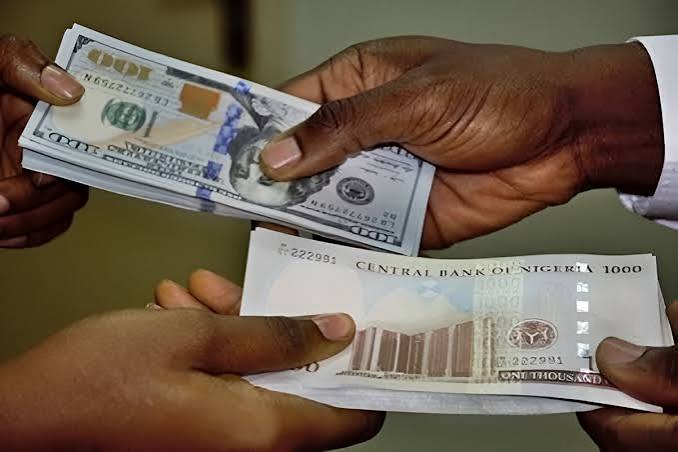
As of today, 01 July 2026, the official Central Bank of Nigeria (CBN) exchange rate stands at 1 USD = ₦1,375.73, according to data from Open Exchange Rates. In contrast, the parallel or black market rate, as reported by AbokiFX, is 1 USD = ₦2,024.11, representing a premium of 47.1% above the official rate. This significant disparity highlights the complexities and challenges in Nigeria's foreign exchange market, affecting various sectors of the economy and the daily lives of Nigerians.
Why Two Rates Exist
The existence of two distinct exchange rates in Nigeria can be attributed to the country's dual exchange rate system. The official rate, set by the CBN, is used for government transactions, certain imports, and other specified activities. However, due to the limited availability of foreign exchange at this rate and the stringent conditions attached to accessing it, a parallel market has emerged to meet the demand for dollars and other currencies. This black market operates independently of the official system, with rates determined by the forces of supply and demand, often resulting in a higher value for the dollar.
What This Means for You
- Importers face increased costs for goods purchased with dollars, potentially leading to higher prices for consumers.
- Travellers going abroad may find it more expensive to purchase dollars for travel, impacting their travel budgets.
- Students studying abroad could see an increase in the cost of tuition and living expenses due to the weaker naira.
- Online shoppers buying from international websites may have to pay more for their purchases when converting naira to dollars.
- Remittance receivers in Nigeria get less value for the dollars sent to them by relatives abroad when exchanged at the parallel market rate.
What Is Driving the Gap
The structural causes of the gap between the official and parallel market exchange rates are rooted in Nigeria's economic fundamentals. Forex scarcity, largely due to the country's dependence on oil exports and the fluctuations in global oil prices, is a significant factor. The CBN's management of the foreign exchange market, including its policies on currency trading and allocation, also plays a crucial role. Demand pressure, driven by the needs of importers, businesses, and individuals, further exacerbates the situation. Additionally, the state of the economy, including inflation rates, interest rates, and the overall investment climate, influences the value of the naira in both markets.
CBN's Position and What to Watch
- CBN's interventions in the forex market, including sales of dollars to banks and other authorized dealers, to stabilize the naira.
- Any changes in monetary policy, such as interest rates, that could affect the attractiveness of the naira to investors and, consequently, its value.
- Developments in global commodity markets, especially oil, which impact Nigeria's forex earnings and the stability of the naira.
- Initiatives aimed at promoting non-oil exports and reducing the country's dependence on imports to ease demand pressure on the dollar.
Given the current state of the foreign exchange market, Nigerians should closely monitor these indicators and plan their financial activities, including international transactions and investments, with the current exchange rates and potential future fluctuations in mind, seeking professional advice where necessary to navigate the complexities of the dual exchange rate system effectively.
Analysis
The significant disparity between the official and parallel market exchange rates underscores the pressing challenge of forex scarcity in Nigeria, highlighting the need for sustainable economic policies to stabilize the naira. This gap also reflects the substantial demand pressure in the currency market, which the CBN has struggled to meet, leading to a flourishing black market. The wide premium indicates a potential loss of government revenue and an increase in the cost of imports, further straining the economy.
Tags