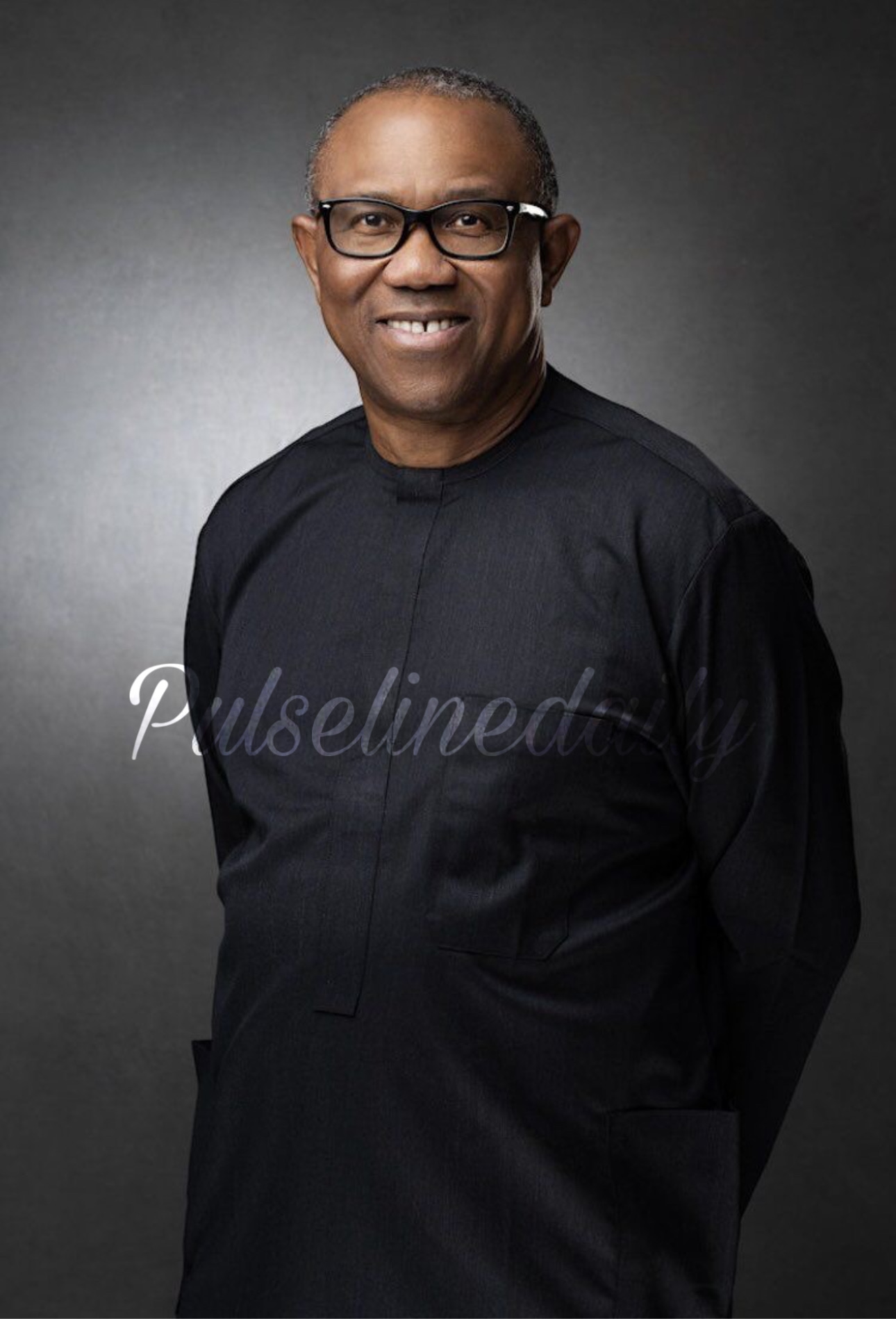
“A New Nigeria Is POssible”: Peter Obi Dumps ADC, Cites Toxic Political Environment and State Infiltration as He Eyes NDC
Summary
Former Labour Party presidential candidate Peter Obi on Sunday, May 3, 2026, announced his resignation from the African Democratic Congress in a deeply personal statement posted on his X account, marking his second major party exit in less than two years. Obi cited recurring internal crises, endless court cases, and what he described as the infiltration of destabilising agents of the Nigerian state the same forces he blamed for his earlier exit from the Labour Party. He was careful to absolve party leaders Senator David Mark and former Vice President Atiku Abubakar of personal wrongdoing, framing his departure as a response to systemic dysfunction rather than personal grievance. Sources indicate he is set to join the Nigeria Democratic Congress alongside former Kano Governor Rabiu Kwankwaso. The Tinubu Presidency dismissed him as a “political nomad.”
Peter Obi, on Sunday May 3, 2026, announced his exit from the African Democratic Congress, citing a toxic political environment, internal crises, and what he described as external interference undermining party stability. The announcement came via a lengthy, unusually personal statement on X signed simply “PO” in which the former Anambra governor described the private emotional toll of navigating Nigeria’s political landscape with sincerity in an environment that he argued consistently rewards manipulation over merit.
Obi described the country’s system as increasingly toxic, saying it had become marked by intimidation, insecurity, suspicion, and discouragement, which he argued often undermines sincere public service. He spoke of allies who publicly identified with him while privately distancing themselves or joining in criticism a portrait of betrayal made more painful, he suggested, by its source within supposedly reform minded political spaces.
He clarified that his departure from the ADC was not due to personal issues with party leadership, including former Senate President David Mark or former Vice President Atiku Abubakar, both of whom he said he continues to respect. His attribution of blame was directed elsewhere at what he called agents of the Nigerian state whose destabilising methods he first encountered in the Labour Party and now sees replicating themselves within the ADC. “The same Nigerian state and its agents that created unnecessary crises and hostility within the Labour Party that forced me to leave now appear to be finding their way into the ADC, with endless court cases, internal battles, suspicion, and division,” he stated.
Although there are speculations that Obi may be aligning with the Nigeria Democratic Congress alongside former Kano State governor, Rabiu Kwankwaso, with whom he intends to run for the presidency in the 2027 elections, no official confirmation has been made. Sources indicate he has concluded plans to join the NDC a move that would represent a third party in less than three years for a man who has become one of Nigeria’s most recognisable opposition figures.
Obi was emphatic in distancing his political journey from personal ambition. “I am not desperate to be President, Vice President, or Senate President. I am desperate to see a society that can console a mother whose child has been kidnapped or killed while going to school or work. I am desperate to see a Nigeria where people will not live in IDP camps but in their homes.”
The Tinubu Presidency was swift and cutting in its response. Presidential spokesperson Bayo Onanuga described Obi as “a political nomad on the move again,” dismissing the statement as “illogical musings” and “a self serving letter to his mob,” accusing him of fleeing a tough political contest within the ADC rather than facing it.
Analysis
Peter Obi’s third party in under three years is a development that will be interpreted very differently depending on who is doing the interpreting and both readings contain truth. For his supporters, the “Obidient” movement that made him a phenomenon in 2023, this statement is the language of a man whose values are irreconcilable with the structures of Nigerian politics as currently constituted a leader who cannot be domesticated by party machinery and who refuses to allow institutional corruption to swallow his idealism. For his critics, and the Presidency’s reaction captures this position sharply, it is the behaviour of a politician who exits rooms the moment the contest becomes difficult, wrapping strategic retreats in the language of principle. What is beyond dispute is that Obi’s departure from the ADC has real consequences for the 2027 opposition landscape. His decision to leave ahead of ADC primary elections suggests his lack of faith in the process, which he previously said he hoped would be credible enough to produce the best candidate. The coalition that was building around the ADC featuring Atiku, David Mark, and other opposition heavyweights now faces a recalibration, with Obi and potentially Kwankwaso potentially forming a separate opposition vehicle through the NDC. Whether that vehicle can pose a genuine challenge to Tinubu in 2027 depends on factors Obi cannot fully control: the NDC’s organisational infrastructure, its geographic reach, and the critical question of whether the Obidient movement born in the specific energy of 2023 can be reconstituted under a new party banner with a diminished incumbent credibility. What Obi’s statement makes clear is that he believes it can. Whether Nigeria agrees will be answered at the ballot box.
Tags